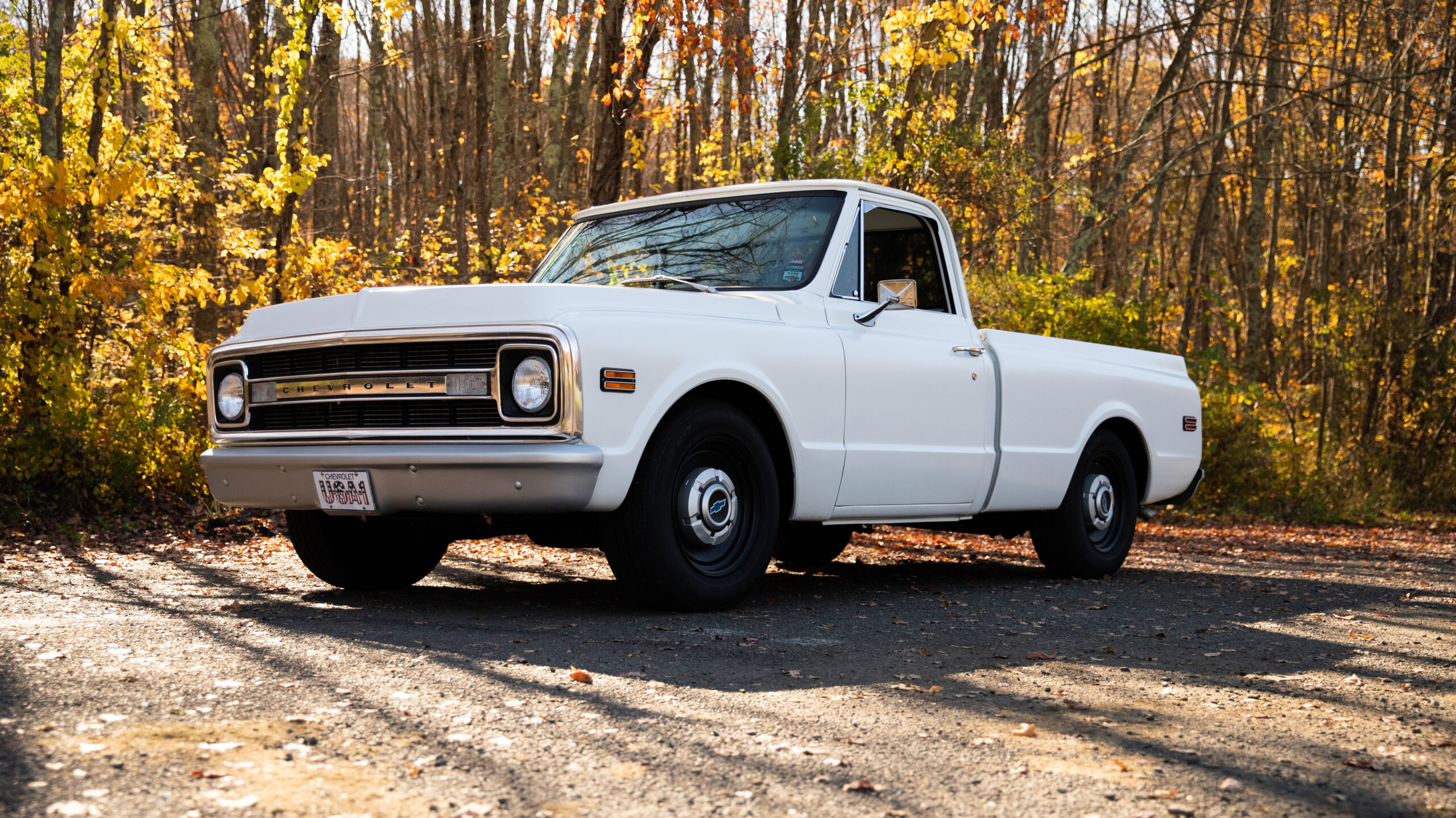
Classic trucks have become some of the most popular restoration projects we see. They were built to work, so most of them have lived hard lives, but that same simple, rugged design makes them rewarding to bring back. Whether you have a Chevy C10 that has been in the family for decades or a 4×4 you found in a barn, a little planning before the teardown saves a lot of time and money later.
This guide covers what to think about before you start a classic truck restoration, from the frame up to the paint.
Why Classic Trucks Are Worth Restoring
Older pickups use straightforward body-on-frame construction, which makes them easier to take apart and put back together than many cars of the same era. Parts support is strong for the most common trucks, especially Chevy and GMC pickups, Ford F-Series trucks and Dodge pickups, so many sheet metal, trim and mechanical parts are still available as reproductions.
Trucks are also practical. A restored pickup can be a show truck, a weekend cruiser or a vehicle you still use for light work, and the way you plan to use it should shape every decision in the build.
Decide What Kind of Truck You Want
Start by deciding whether you want the truck to look and drive the way it did when it was new, or whether you want a classic look with modern performance and comfort. A factory-correct restoration uses original or OE spec reproduction parts. A restomod keeps the classic style but adds upgrades such as fuel injection, disc brakes, better suspension or air conditioning.
There is no wrong answer, but the choice affects your parts list, your budget and how long the build takes. Our post on restoration or restomod covers the trade-offs in more detail.
Frame-Off or Frame-On for a Truck
Because a truck body bolts to a separate frame, a frame-off restoration is often the most thorough way to do the job. Lifting the cab and bed off the frame lets us inspect, repair and refinish the frame, suspension and brake lines, and get to every hidden area of the body.
A frame-on approach can make sense for a truck with a solid frame and limited rust, or when the goal is a reliable driver rather than a show truck. We explain both methods in frame-off vs frame-on restorations.
Where Classic Trucks Usually Rust
Work trucks spent years outside, hauling loads and sitting in wet weather, so rust is the most common problem we find. Cab corners, rocker panels, floor pans, the lower parts of the doors and fenders, and the bed floor and wheel wells are the usual trouble spots. The frame itself can rust where dirt and moisture collect.
Some of this damage only shows up once the truck is stripped. When replacement panels are not available or do not fit well, our metal fabrication team can make repair sections by hand. Our post on hidden problems found during a restoration explains what else to watch for.
Engine, Drivetrain and 4×4 Systems
The mechanical side of a truck restoration depends on how you will drive it. Some owners want the original engine rebuilt to stock specifications. Others want more power and reliability for highway driving. Our engine rebuild service covers both.
Four-wheel-drive trucks add a transfer case, front axle and more steering and suspension parts to inspect and rebuild. Gearing matters too. Many older trucks were geared for work, not highway speeds, so it is worth deciding early whether you want to keep the original gearing or change it.
Upgrades That Make a Classic Truck Easier to Live With
If you plan to drive the truck often, a few upgrades go a long way. A carburetor tune or EFI conversion can improve starting and drivability. A disc brake conversion improves stopping, and air conditioning makes summer driving far more comfortable. Our mechanical upgrades page lists the work we do most often.
Paint and Finish
A truck has a lot of flat surface area, so straight panels matter. Before any color goes on, the body is repaired, blocked and primed until every panel lines up. The bed is a separate decision. Some owners want a painted show bed with wood or finished steel, while others prefer a durable coating for a truck that will still haul. Our painting and refinishing page explains how we approach the finish.
What Affects the Cost
The cost of a truck restoration comes down to the same things as any restoration: how much rust and metal work there is, how much of the drivetrain needs work, the quality of finish you want and which parts are available. We cover these in detail in how much it costs to restore a classic car.
See Our Truck Projects
We have restored and upgraded a range of classic trucks at our shop. You can see some of them in our 1970 GMC pickup gallery, our 1970 Chevy C10 feature and our 1992 Dodge W150 build. The full project gallery has many more.
Start Your Truck Restoration
If you have a classic truck you want to bring back, tell us about it. Send a description and a few photos through our Request an Estimate form and we will usually reply within one business day, or call us at 860.852.3275. Our shop is in Wallingford, Connecticut, and you can learn more about how we work on our restoration services page.