Owning a classic car is about more than transportation; it’s about preserving history, craftsmanship, and character. But when your vehicle’s paint begins to show wear, oxidation, or imperfections, it can be difficult to know whether you need professional paint correction or a full restoration.
Understanding the difference between the two can help you make the right decision for your car, your goals, and your investment.
What Is Paint Correction?
Paint correction is a professional detailing process that removes surface imperfections from a vehicle’s existing paint. This can include swirl marks, light scratches, oxidation, water spots, and minor surface defects.
Through careful machine polishing and specialized compounds, a skilled technician refines the paint surface, restoring gloss and clarity without repainting the vehicle.
Paint correction is ideal when:
- The original paint is still structurally sound
- Imperfections are mostly surface-level
- You want to preserve factory originality
- The vehicle doesn’t have widespread rust or body damage
For many classic car owners, paint correction can dramatically improve appearance while maintaining authenticity.
When Paint Correction Is Enough
If your classic car has good underlying paint but looks dull, hazy, or lightly scratched, correction may be all it needs. This is especially common with vehicles that have been stored properly but haven’t been professionally detailed in years.
Paint correction can:
- Restore depth and shine
- Enhance resale value
- Protect original finishes
- Prepare the surface for ceramic coating or protective treatments
For owners who want to improve aesthetics without major structural work, paint correction is often the smart first step.
What Is a Full Restoration?
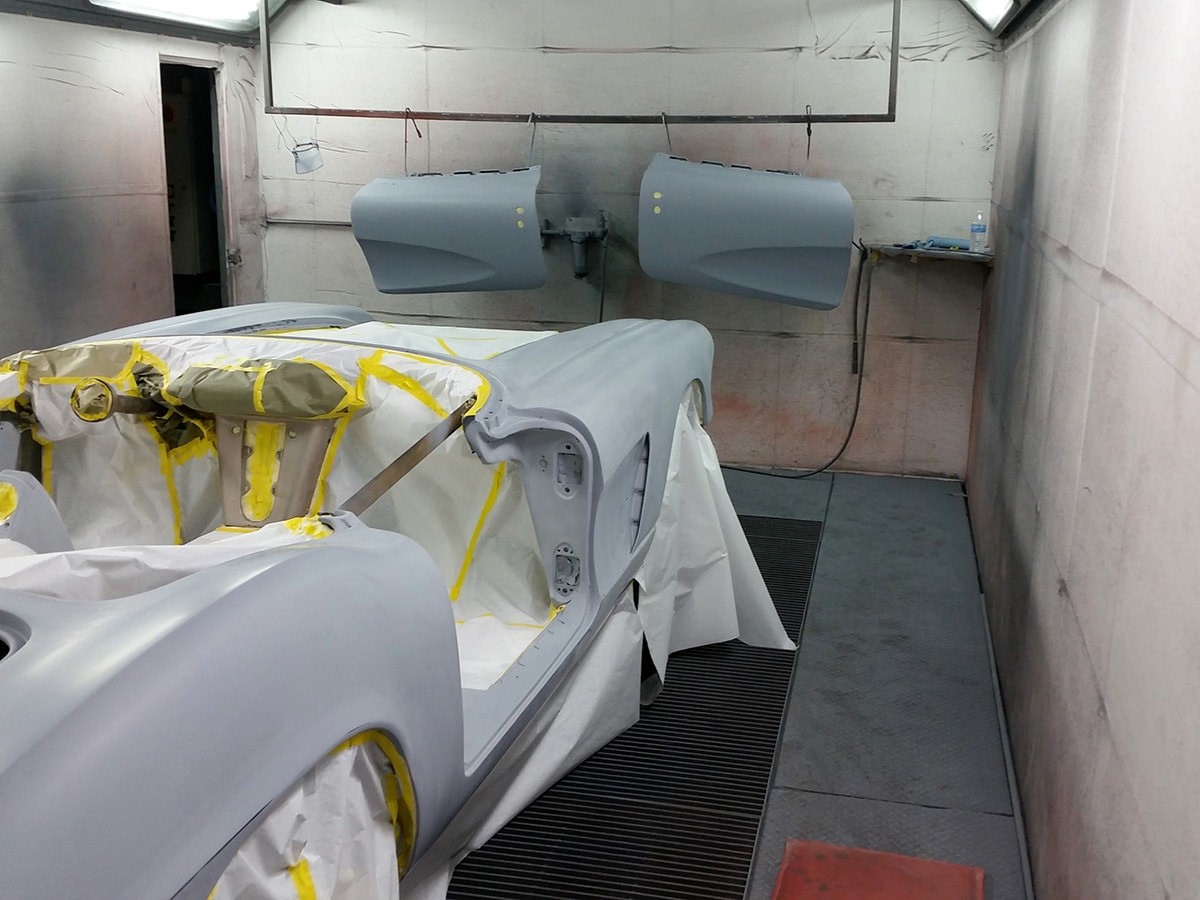
A full restoration goes far beyond the paint surface. It may involve:
- Body repair and rust remediation
- Panel replacement or fabrication
- Complete repainting
- Mechanical upgrades or rebuilds
- Interior restoration
- Frame-off disassembly in some cases
Full restoration is typically necessary when the vehicle has significant rust, prior poor repairs, structural damage, or paint failure beyond surface correction.
It is also the right path when your goal is a concours-level finish or complete transformation.
Signs Your Classic May Need Restoration Instead of Correction
While paint correction can solve many cosmetic issues, certain conditions indicate deeper problems:
- Bubbling paint caused by underlying rust
- Deep cracks or checking in the finish
- Multiple layers of poor-quality repaint work
- Body filler cracking or separating
- Structural corrosion
In these cases, correction may temporarily improve appearance but won’t address the root issue.
Considering Your Goals and Budget
The decision between paint correction and restoration often comes down to long-term goals.
Are you looking to:
- Preserve originality and improve appearance?
- Prepare the car for sale?
- Complete a full show-level transformation?
- Create a reliable weekend driver with upgraded components?
Paint correction is generally faster and more cost-effective. Full restoration is a significant investment of time and resources, but it delivers comprehensive results.
The key is understanding what your vehicle truly needs — not just what it looks like on the surface.
Not Sure What Your Classic Really Needs?
If you’re debating between paint correction and a full restoration, the team at Innovative Restorations can help. We work closely with classic car owners to evaluate each vehicle honestly and recommend the right path forward, whether that’s refining what’s already there or rebuilding it from the ground up. Contactus today!