The Definition of a Classic Car Is Changing
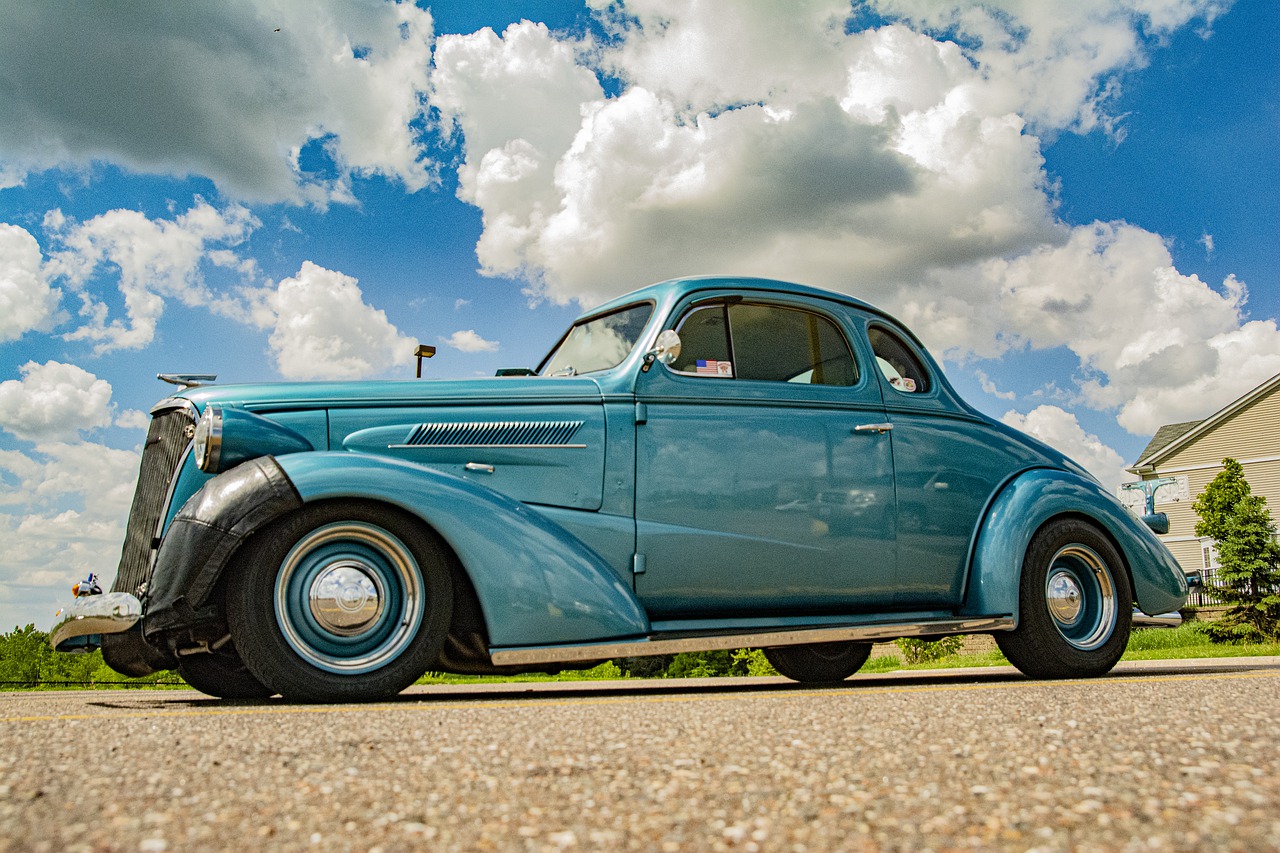
For decades, the classic car world was dominated by Tri-Five Chevys, 1950s pickups, early Mustangs, Camaros, GTOs, and other iconic American vehicles. While those cars remain highly desirable, a noticeable shift is happening throughout the collector market.
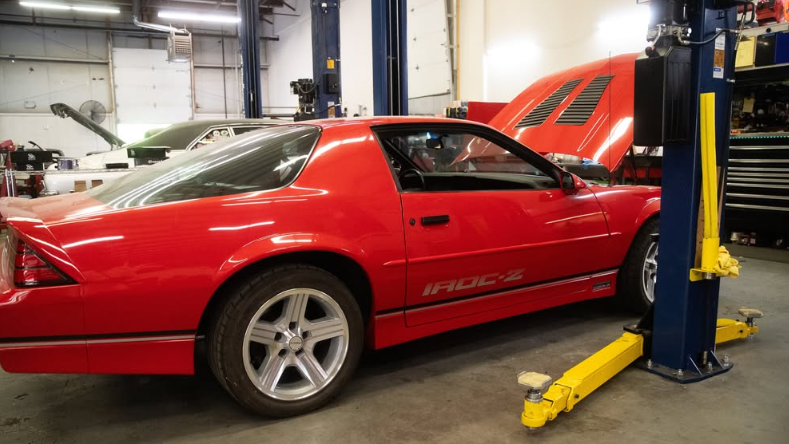
Many of today’s buyers grew up in the 1980s, 1990s, and early 2000s. Instead of dreaming about the cars their grandparents owned, they’re chasing the vehicles they admired as teenagers and young adults.
As a result, vehicles once considered “used cars” are rapidly becoming sought-after collectibles.
Nostalgia Is Driving a New Generation of Collectors
Every generation tends to collect what they remember. Today’s enthusiasts are increasingly searching for:
- Fox Body Mustangs
- Chevrolet OBS Trucks
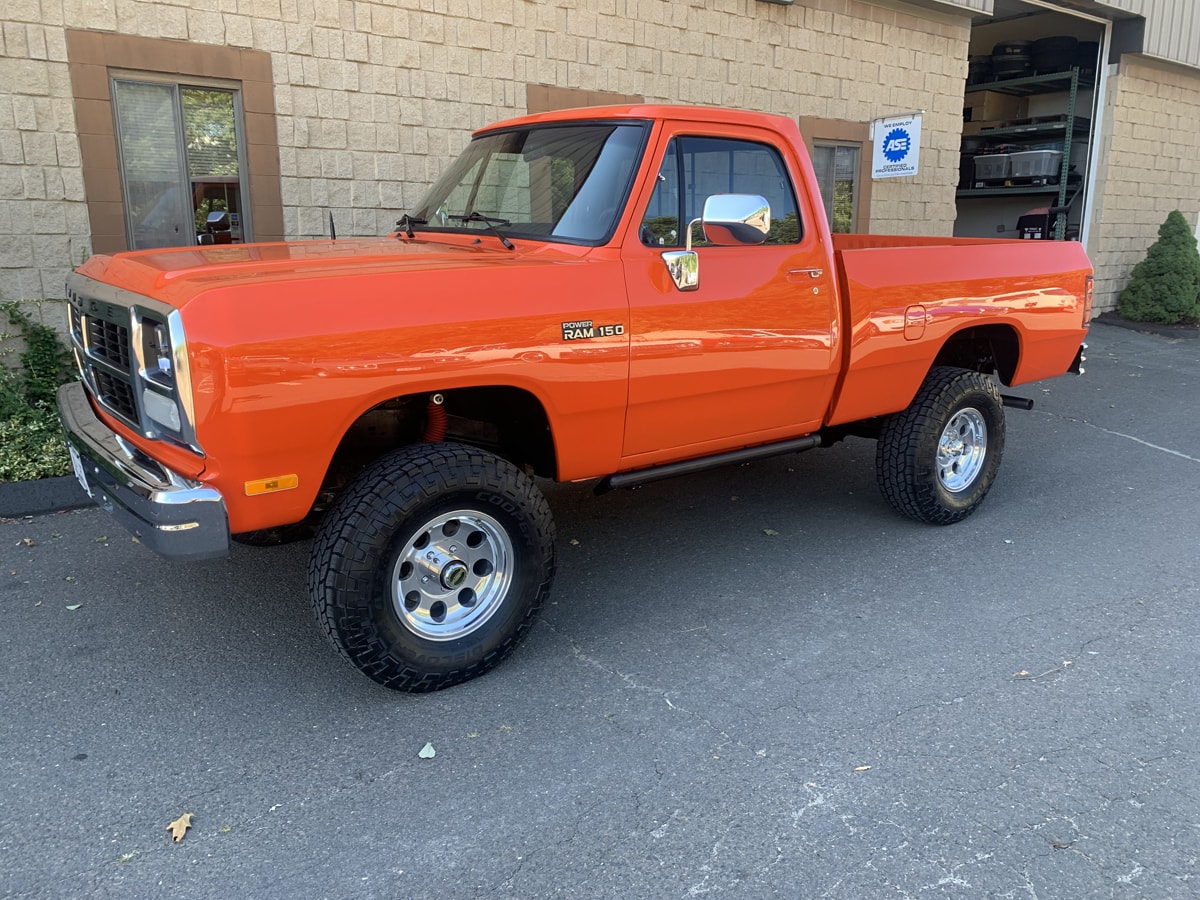
- Square Body Chevy Trucks
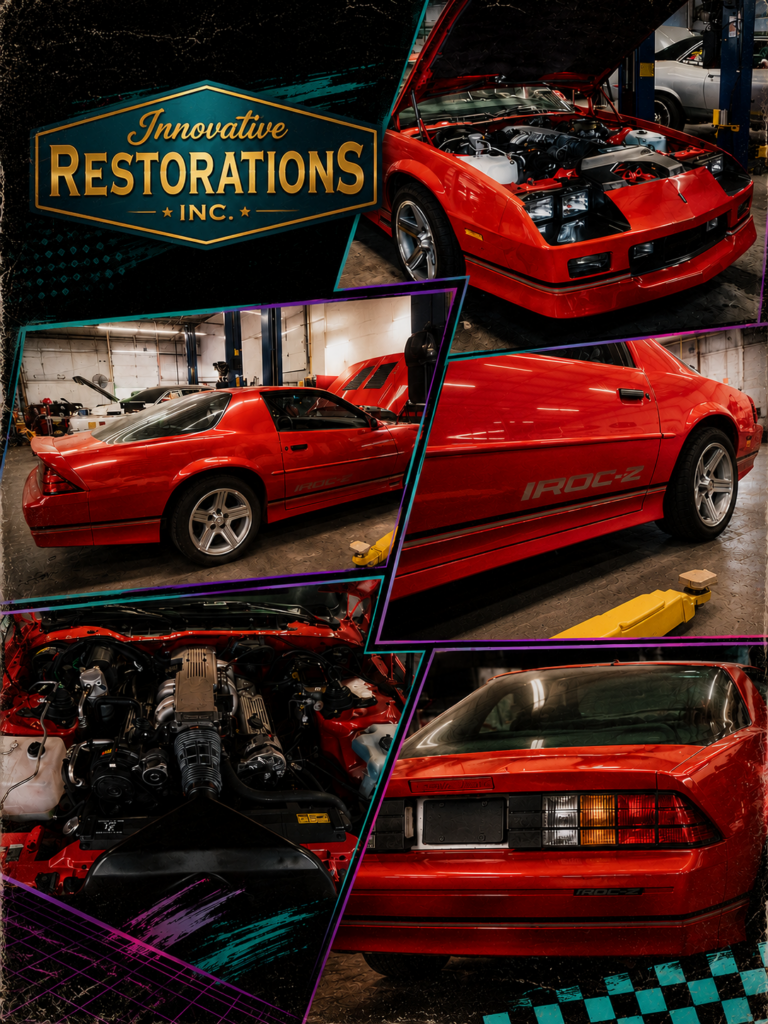
- Third and Fourth Generation Camaros
- Pontiac Firebirds and Trans Ams
- Acura Integras
- Nissan 240SXs
- Toyota Supras
- Jeep Cherokees
- Early Dodge Vipers
- Performance imports from the 1990s and 2000s
These vehicles represent the automotive culture many younger collectors grew up with, creating strong demand in today’s market.
The Rise of the Restomod
Another major trend influencing the hobby is the growth of the restomod movement.
While previous generations often focused on factory-correct restorations, many owners today want something different.
They want a vehicle that looks classic but performs like a modern car.
Popular upgrades include:
- Fuel injection systems
- Modern LS engine swaps
- Updated suspension systems
- Disc brake conversions
- Electronic ignition
- Air conditioning
- Modern audio systems
- Performance drivetrains
- Upgraded gauges and electronics
These modifications allow owners to enjoy vintage styling without sacrificing reliability, comfort, or performance.
Building a Car for the Way You Actually Drive
Today’s enthusiasts are often more interested in weekend cruising, road trips, Cars & Coffee events, and local shows than concours judging.
That means drivability matters.
A well-executed restomod can offer the appearance and personality of a classic vehicle while delivering the confidence of a modern car.
For many owners, that’s a far more appealing experience than preserving every factory component.
Classic Restoration Isn’t Going Away
Traditional restorations still play an important role, especially for rare, historically significant, or highly collectible vehicles.
However, the market is increasingly embracing personalization and usability.
Many owners are looking for a balance between preservation and modernization—maintaining the character of a vehicle while making it more enjoyable to own.
What This Means for the Future of Restoration
The collector car hobby continues to evolve.
While iconic 1950s and 1960s classics will always have a place in automotive history, the next wave of collector vehicles is already here. The cars, trucks, and performance vehicles of the 1980s, 1990s, and early 2000s are becoming the classics of tomorrow.
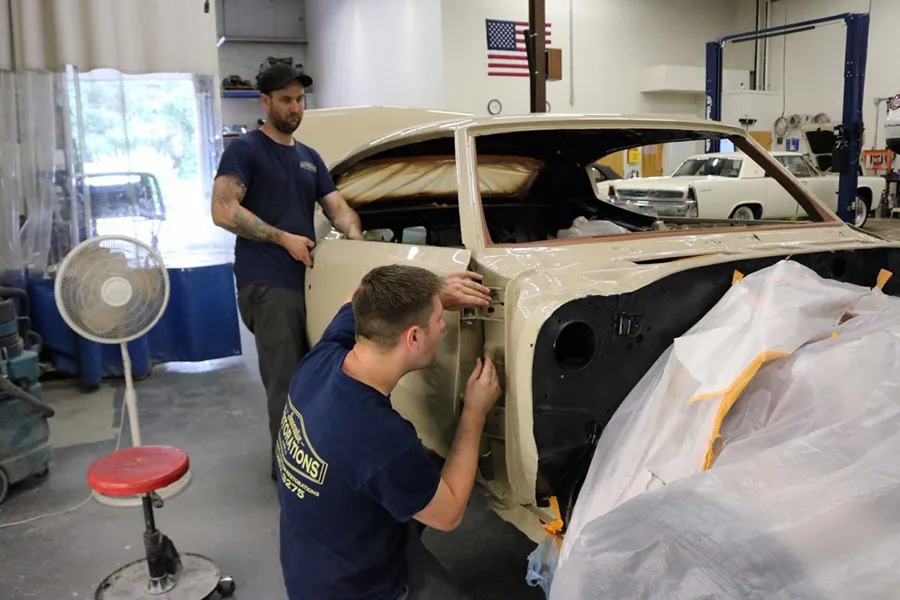
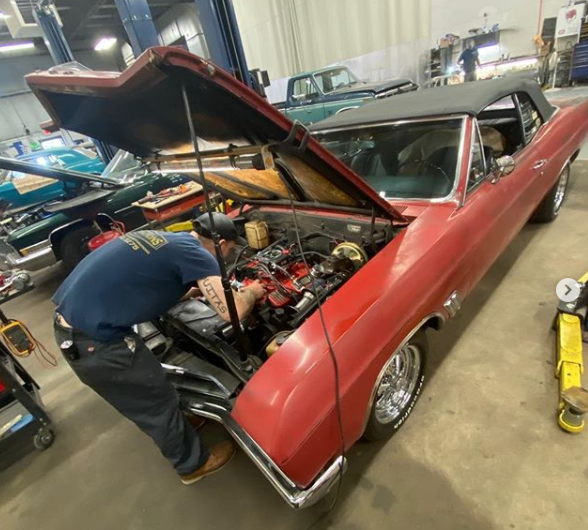
At Innovative Restorations, we’re seeing growing interest in both traditional restorations and custom restomod projects as enthusiasts look for ways to preserve automotive history while creating vehicles that fit today’s driving experience.
Whether your vision involves a factory-correct restoration or a modernized classic built to enjoy on the road, the future of the hobby is proving that there is more than one way to keep a classic alive.